November 18, 2026
Installing a fence is an important property improvement that can affect privacy, security, appearance, and outdoor functionality. Before moving forward, it is helpful to understand the available options and discuss important details about the project. Planning ahead can make the installation process more organized and help avoid unexpected concerns along the way. Knowing what to ask and which factors to consider can also make it easier to communicate expectations. This article explores several important topics to discuss with a fence company before installation, including property needs, material choices, boundaries, costs, timelines, and ongoing maintenance.
Identifying Your Property Needs
Before planning a fence installation, consider what you want the finished fence to accomplish. Some property owners may want more privacy, while others may be focused on creating clear boundaries, improving security, or adding visual appeal. Understanding the main purpose of the project can help guide decisions about the fence's appearance, height, placement, and overall design.
It is helpful to explain these goals during an initial conversation with a fence company. Discussing how the outdoor space is used can also help determine which considerations are most important. For example, a property with children or pets may have different fencing needs than a commercial property or an area intended mainly for decoration.
Property layout is another factor worth discussing. Slopes, uneven ground, existing structures, trees, and landscaping can all influence how a fence is installed. Sharing any concerns about the property's layout can help the installation team evaluate the space and discuss potential adjustments before the project begins.
Discussing Height and Placement
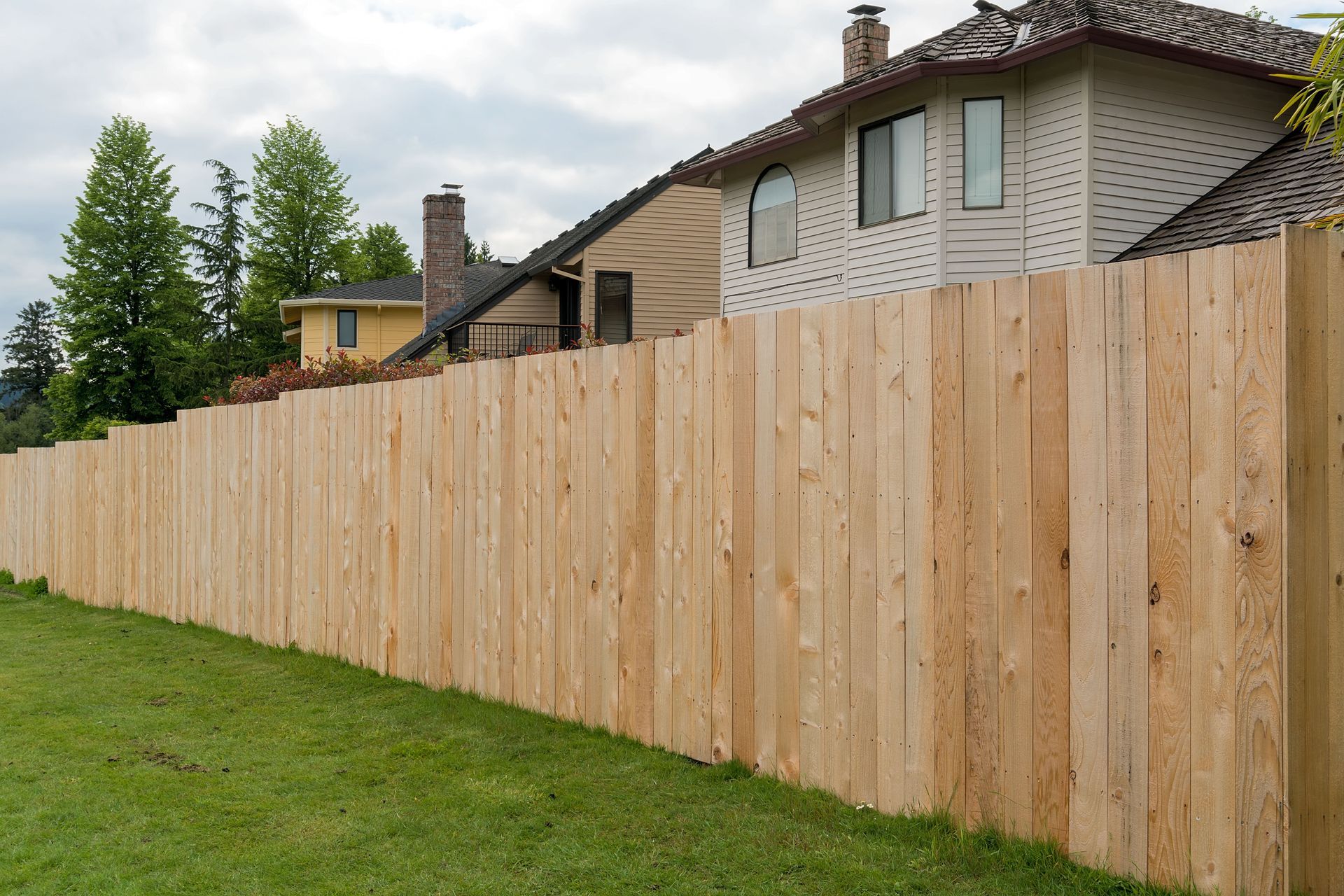
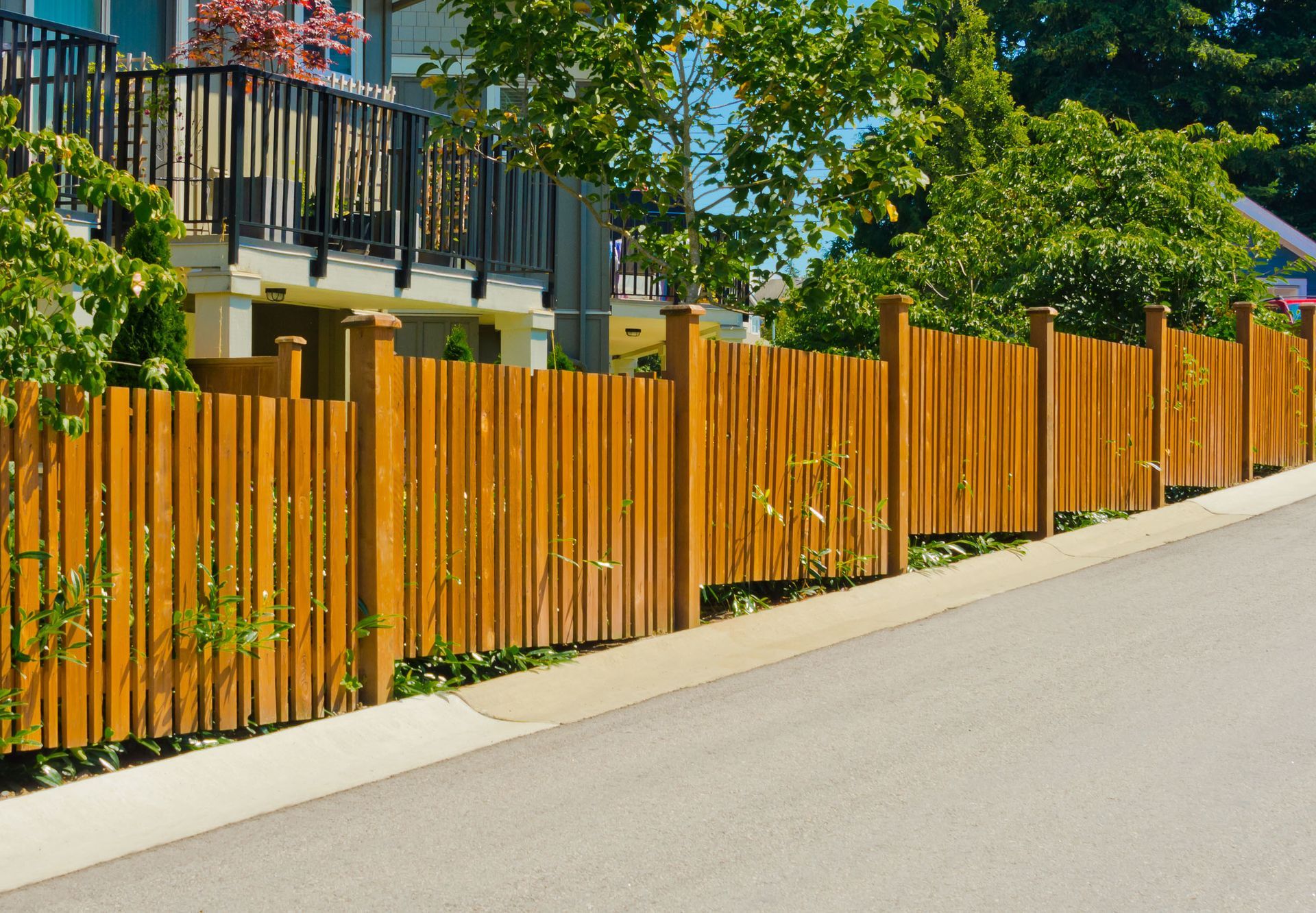
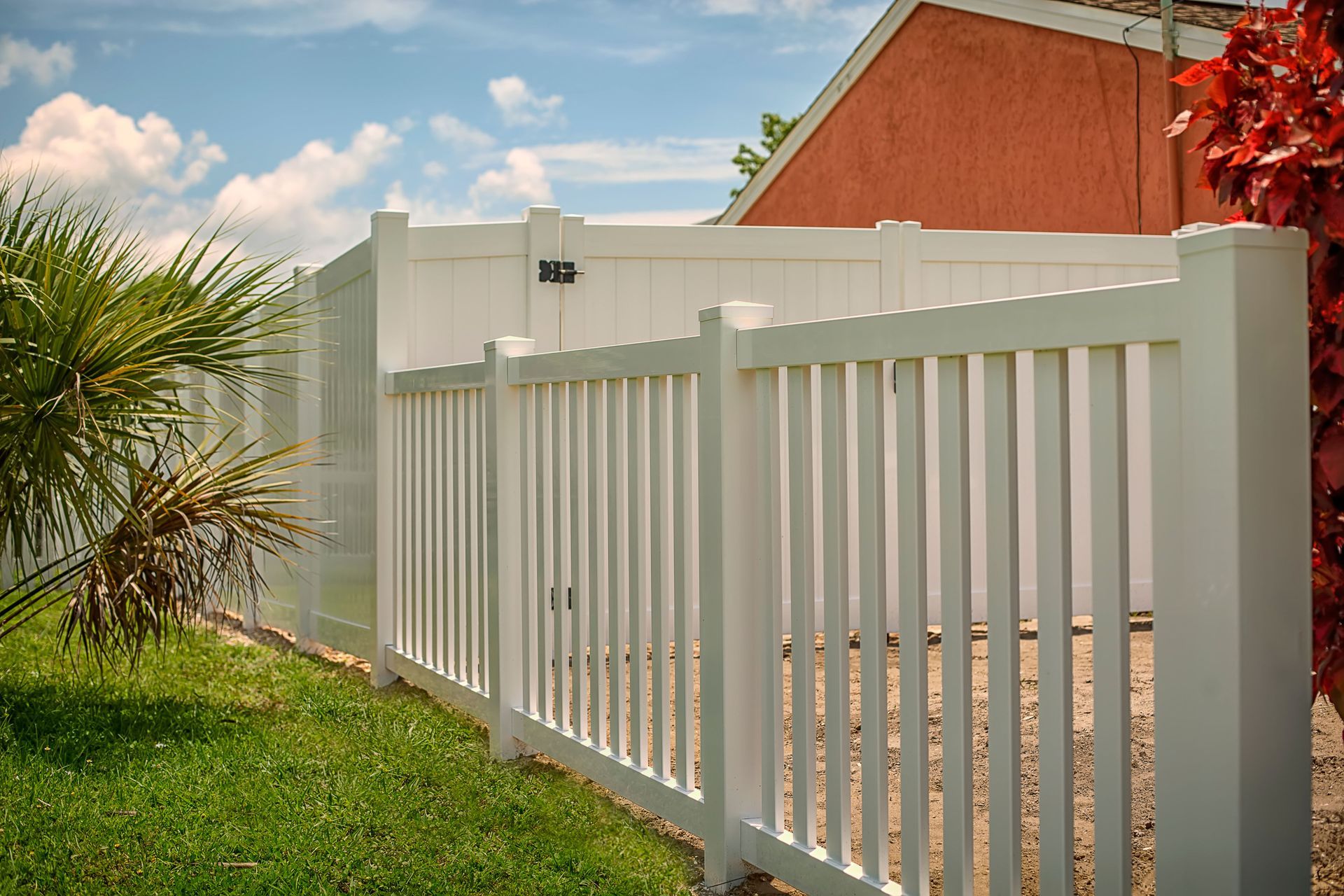
Fence height and placement can affect both the appearance and functionality of an outdoor space. A taller fence may provide more privacy, while a shorter option may help maintain an open appearance. The right height often depends on the property's layout, intended use, surrounding environment, and applicable local requirements.
It is helpful to discuss how much of the property should be enclosed and whether certain areas require different considerations. For example, a fence surrounding an entire yard may serve a different purpose than one installed around a smaller section of outdoor space. Entry points, visibility, and access to surrounding areas should also be considered during the planning process.
Wildlife is another factor worth keeping in mind when determining fence height. Fencing can affect how animals move through their natural surroundings, particularly in areas near green spaces or wildlife habitats. According to Wildsight, making sure fences are no more than four feet tall can make a property significantly more wildlife-friendly. This is an important consideration for properties where maintaining access for local wildlife is a priority. Discussing these concerns can help determine whether the planned fence height is appropriate for the property and its surroundings.
Reviewing Project Costs
Understanding the expected cost is another important part of planning a fence installation. The overall price may depend on several factors, including the size of the area, material selection, fence height, property conditions, and installation requirements. Having a clear understanding of these factors can make it easier to plan a realistic budget. It is also helpful to consider how different design choices may affect the total cost. Discussing priorities early can help narrow down the available options.
During the consultation, ask for an explanation of the estimated project costs. It is helpful to understand what is included in the estimate and whether additional expenses could arise during installation. For example, challenging ground conditions, existing structures, or unexpected property concerns may affect the final scope of the project. Ask whether the estimate accounts for preparation and any additional work that may be needed before installation begins. This can provide a more complete picture of the expected expenses.
Discussing payment expectations is also worthwhile. Ask about available payment arrangements, deposits, and when remaining payments are due. A fence company should be able to explain the general pricing structure and answer questions about the proposed work. Taking time to review these details can help avoid confusion and make financial planning more straightforward.
Planning the Installation Timeline
Understanding the expected installation timeline can help property owners prepare for the project. The amount of time required may depend on the size of the fence, material availability, weather conditions, and the overall complexity of the property. Some projects may be completed relatively quickly, while others may require additional planning and coordination. Knowing the general schedule can also help property owners plan around other activities or property improvements.
Ask about the expected start date and how long the installation may take. It is also helpful to discuss factors that could cause scheduling changes. Weather conditions, material delays, and unexpected site concerns can all affect the original timeline. Ask whether there are any steps that must be completed before the scheduled installation date and how much preparation may be needed.
Communication throughout the process is another important consideration. Find out how updates will be shared and who to contact if questions arise before or during installation. Having a clear understanding of the scheduling process can help set reasonable expectations and make it easier to coordinate other property activities around the project.
Clarifying Maintenance Expectations
A fence requires some level of ongoing attention to maintain its appearance and condition. However, maintenance needs can vary depending on the material, surrounding environment, and exposure to changing weather conditions. Understanding these requirements before installation can help property owners plan for long-term care. It can also help determine which materials may be more suitable for the amount of maintenance they are prepared to manage.
Ask about the general maintenance associated with the materials being considered. Some fences may need periodic cleaning, while others may require occasional inspections or protective treatments. It is also helpful to discuss how moisture, sunlight, temperature changes, and other environmental conditions could affect the fence over time. Ask whether certain conditions may cause more noticeable wear and what general care can help maintain its appearance.
The surrounding landscape can influence maintenance needs as well. Trees, plants, soil conditions, and drainage patterns may affect the area around the fence. Discussing these factors with the installation team can help identify potential concerns and provide a clearer picture of the attention the fence may need after installation.
Confirming Project Expectations
Before approving the project, take time to review the overall plan and confirm that the important details have been addressed. This includes the general layout, material selection, fence height, placement, estimated cost, and expected timeline. Reviewing these items together can help identify misunderstandings before installation begins. It is also a good opportunity to confirm that the planned design aligns with the property's intended use and overall appearance.
It is also helpful to discuss what happens if unexpected conditions are discovered during the project. Ask how potential changes will be communicated and whether adjustments could affect the original estimate or schedule. Understanding how these situations are handled can make the process easier to navigate. Having a clear process for discussing changes can also help prevent confusion about additional costs or adjustments to the original plans.
Finally, discuss any questions about the completed installation, including general care recommendations and available warranty information. Knowing what to expect after the project is finished can provide a clearer understanding of the overall process. Taking time to confirm these details helps establish shared expectations between the property owner and installation team.
Planning a fence installation involves more than choosing an appearance or deciding which areas to enclose. Property needs, material options, boundaries, costs, and maintenance expectations all play a role. Discussing these details ahead of time can help property owners make informed decisions and prepare for the project. Asking questions and addressing concerns early can also help create a more organized installation process. If you are planning a fence installation, contact Fox Valley Fencing to discuss your needs and learn how a fence company can help with your project.